A puppy and kitten vet in Spokane
The first-year visits for a new puppy or kitten: vaccines, deworming, a microchip, and the questions every new owner has. Usually with Dr. Whitcomb.
Who you'll see: Dr. Hannah Whitcomb has a special interest in new puppies and kittens, and she is taking new patients.
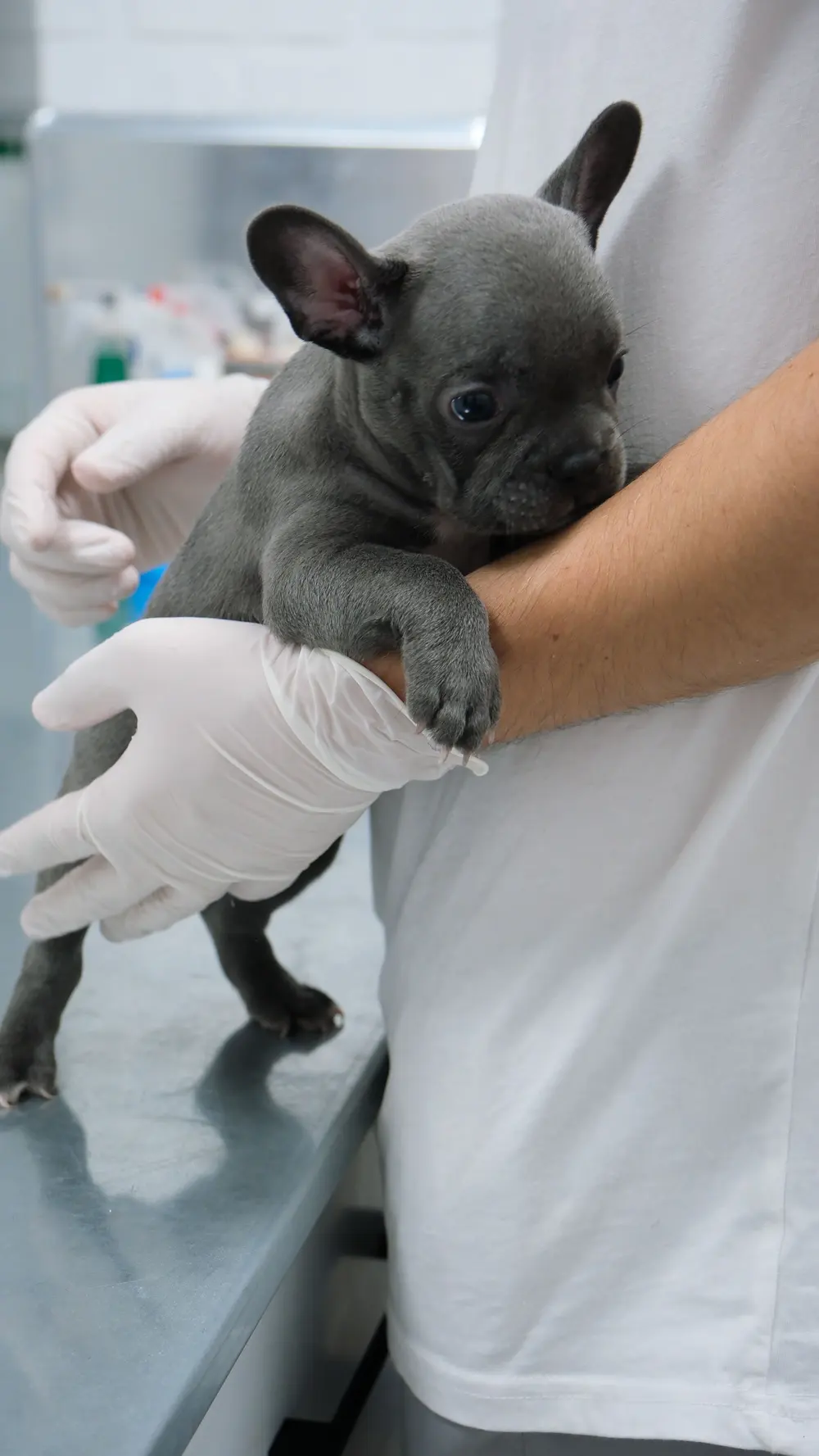 Stock photo
- On the South Hill since 2011
- Three veterinarians, DVM
- 4.4 on Google from 126 reviews
- Open Saturday mornings
A puppy and kitten vet visit at Glenrose, on Spokane's South Hill, covers everything a new pet needs in its first year: the first vaccine series, deworming, a microchip, and a plan for spay or neuter. Most of these visits are with Dr. Hannah Whitcomb, who has a special interest in new puppies and kittens and is taking new patients.
The first visit
Bring your new pet within a week or two of bringing them home, plus whatever records came with them. The doctor will:
- Do a full checkup, nose to tail, including heart, eyes, ears, skin and the first look at the teeth.
- Check what has already been done, so no vaccine or dewormer gets repeated early.
- Set out the vaccine schedule for the next few months, matched to your pet's age and how it will live.
- Answer your list. Food, house training, crate training, scratching, biting, when they can meet other dogs. New owners always have a list. Bring it.
Vaccines in the first year
Puppies and kittens get their first vaccines as a series a few weeks apart, because the protection from their mother fades gradually. Rabies is required by Washington law for dogs and cats. After the first year, most pets move to a yearly checkup and vaccines.
Microchipping
A microchip is the one form of ID that cannot fall off. It is about the size of a grain of rice, goes in under the skin between the shoulder blades with a needle, and needs no anesthesia. Many owners have it done at the same time as the spay or neuter.
The part people forget: a chip only works if it is registered with your current contact details. Register it the day it goes in, and update it whenever you move. The AVMA's microchip guidance for owners explains how lost pets are matched back to their families. The CDC's Healthy Pets pages cover keeping a new puppy or kitten and the people around it healthy.
Getting them used to the vet early
Dr. Whitcomb also has a special interest in cats who hate the vet, and the easiest time to prevent that is the first year. A few things help:
- Leave the carrier out at home so it becomes furniture, not a warning.
- Handle paws, ears and mouths gently at home, a little every day.
- Bring treats your pet loves. Tell us if a visit went badly somewhere else.
Fleas, ticks and worms
Young pets start parasite prevention early, and the product depends on age and weight. See flea, tick and heartworm prevention, and read how a first visit works before you book.
Puppy and kitten care, and microchipping: questions people ask
When should I bring my new puppy or kitten to the vet?
Within the first week or two of bringing them home, even if they seem perfectly healthy. Bring any records from the breeder, shelter or rescue so we know which vaccines and deworming they have already had.
How many visits does a puppy or kitten need?
Usually a short series of visits a few weeks apart for the first vaccines, then a yearly checkup. The doctor will set out the schedule for your pet at the first visit.
Does microchipping hurt?
About as much as a vaccine. The chip is the size of a grain of rice and goes in under the skin between the shoulder blades with a needle, no anesthesia needed. Many owners have it done during the spay or neuter.
Do I need to register the microchip?
Yes. A chip only helps if the registry has your current phone number. Register it when it goes in and update it every time you move or change numbers.
Related care at Glenrose
- Checkups and vaccinesA yearly checkup from nose to tail, the vaccines your pet actually needs, and time to ask about the things you have been noticing at home.
- Spay and neuterRoutine spays and neuters for dogs and cats, timed to your pet's breed and size, with pain control and a call from the doctor that evening.
- Flea, tick and heartworm prevention, and pharmacyParasite prevention matched to how your pet lives in Spokane, the South Hill bluff trails included, and the medications your pet needs from our in-house pharmacy.
Bring your questions. All of them.
Book a first puppy or kitten visit