Spay and neuter in Spokane for dogs and cats
Routine spays and neuters for dogs and cats, timed to your pet's breed and size, with pain control and a call from the doctor that evening.
Who you'll see: Dr. Owen Marsh does most of our spays and neuters. He is known for calling owners himself the evening after a procedure.
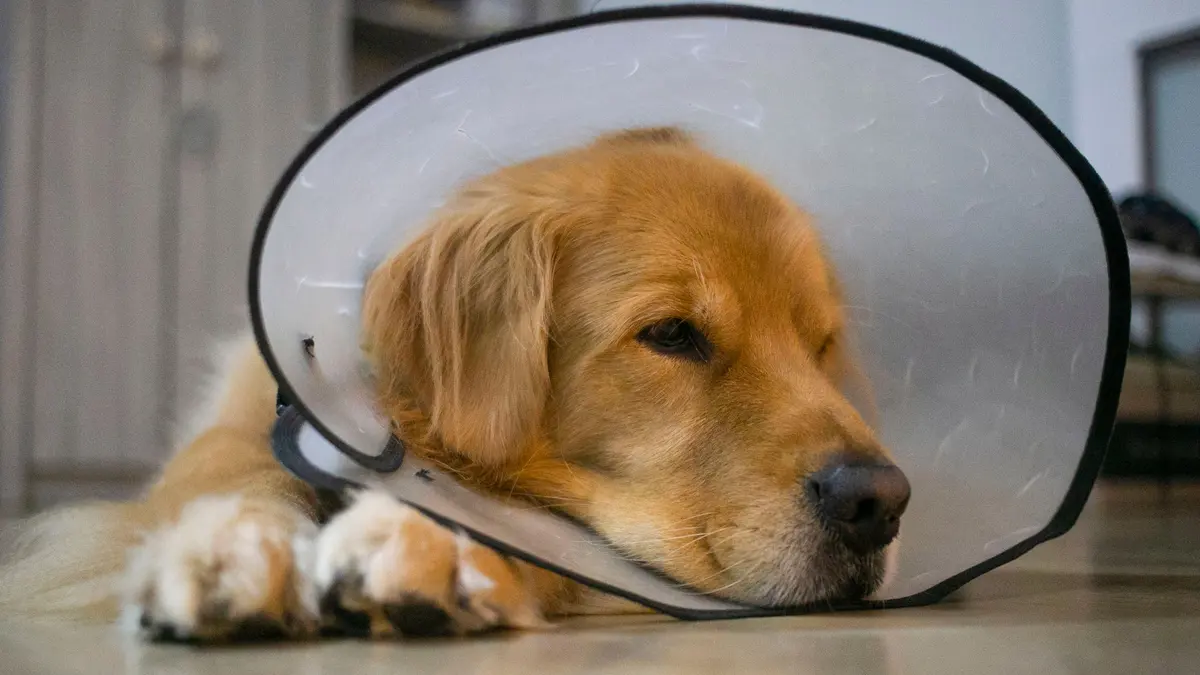 Stock photo
- On the South Hill since 2011
- Three veterinarians, DVM
- 4.4 on Google from 126 reviews
- Open Saturday mornings
Spay and neuter surgery at Glenrose, in Spokane on the South Hill, is a routine procedure for dogs and cats, with pain control included and a phone call before your pet goes home. Dr. Owen Marsh, who has a special interest in surgery, does most of them. Spaying removes a female's ovaries and usually the uterus; neutering removes a male's testicles. Both are done under general anesthesia.
Why spay or neuter
The plain reasons: no unplanned litters, no heat cycles, and lower risk of some cancers and infections later in life. For some males it also takes the edge off roaming and marking. The AVMA has a balanced overview of spaying and neutering if you want the longer version. The ASPCA answers the common spay and neuter questions too.
Timing depends on your pet
Cats are usually spayed or neutered young. Dogs are less simple. For large and giant breeds, waiting can be better for joints, and the right age is a real conversation about breed, size and how your dog lives. We have it at a puppy or kitten visit, not as a default date on a form.
How surgery day runs
- Before the day. A checkup, a written estimate, and fasting instructions. We talk through whether bloodwork before anesthesia makes sense for your pet.
- Drop-off in the morning. The doctor checks your pet again and answers anything you thought of overnight.
- Surgery under anesthesia, with pain relief given before your pet wakes up, not after it hurts.
- The call. Your pet does not go home until someone has called you and walked you through the night ahead.
- Pick-up and recovery. You leave with written instructions, pain medication, and a recovery cone if your pet needs one.
What we won't skip
We won't skip pain control to make an estimate look smaller. It is part of the surgery, every time, for every pet.
Recovery at home
- Keep your pet quiet for ten to fourteen days. Short leash walks only for dogs.
- No baths or swimming until the incision has healed.
- Check the incision once a day. A little redness is normal; swelling, discharge or an opened incision is not. Call us.
- Keep the cone on if we sent one. Licking is the most common way an incision gets into trouble.
If something worries you after hours, take your pet to your nearest emergency animal clinic. For other procedures, see surgery at Glenrose.
Spay and neuter: questions people ask
What age should my dog or cat be spayed or neutered?
It depends. Cats are usually done young. For dogs, especially large and giant breeds, the best timing can be later, and it is a real conversation about your dog's breed, size and lifestyle. We talk it through at a puppy or kitten visit.
How long is recovery after a spay or neuter?
Most pets are back to themselves within a couple of days, but the incision needs about ten to fourteen days of rest, no swimming and no licking. You go home with written instructions and a recovery cone if your pet needs one.
How much does a spay or neuter cost?
It varies with your pet's species, size and age, so we give you a written estimate before the day rather than a single number on a website. Pain control is part of it, not an add-on.
Will I hear from you after surgery?
Yes. Your pet does not go home until someone has called you and walked you through the night ahead, and Dr. Marsh usually calls himself that evening.
Related care at Glenrose
- Checkups and vaccinesA yearly checkup from nose to tail, the vaccines your pet actually needs, and time to ask about the things you have been noticing at home.
- SurgerySoft-tissue surgery for dogs and cats, done here. Orthopedic and other complex cases referred to a board-certified surgeon, with your records sent the same day.
- Puppy and kitten care, and microchippingThe first-year visits for a new puppy or kitten: vaccines, deworming, a microchip, and the questions every new owner has. Usually with Dr. Whitcomb.
Bring your questions. All of them.
Plan a spay or neuter