Pet wellness exams and vaccines in Spokane
A yearly checkup from nose to tail, the vaccines your pet actually needs, and time to ask about the things you have been noticing at home.
Who you'll see: Any of our three doctors. New clients usually start with Dr. Whitcomb, who is taking new patients.
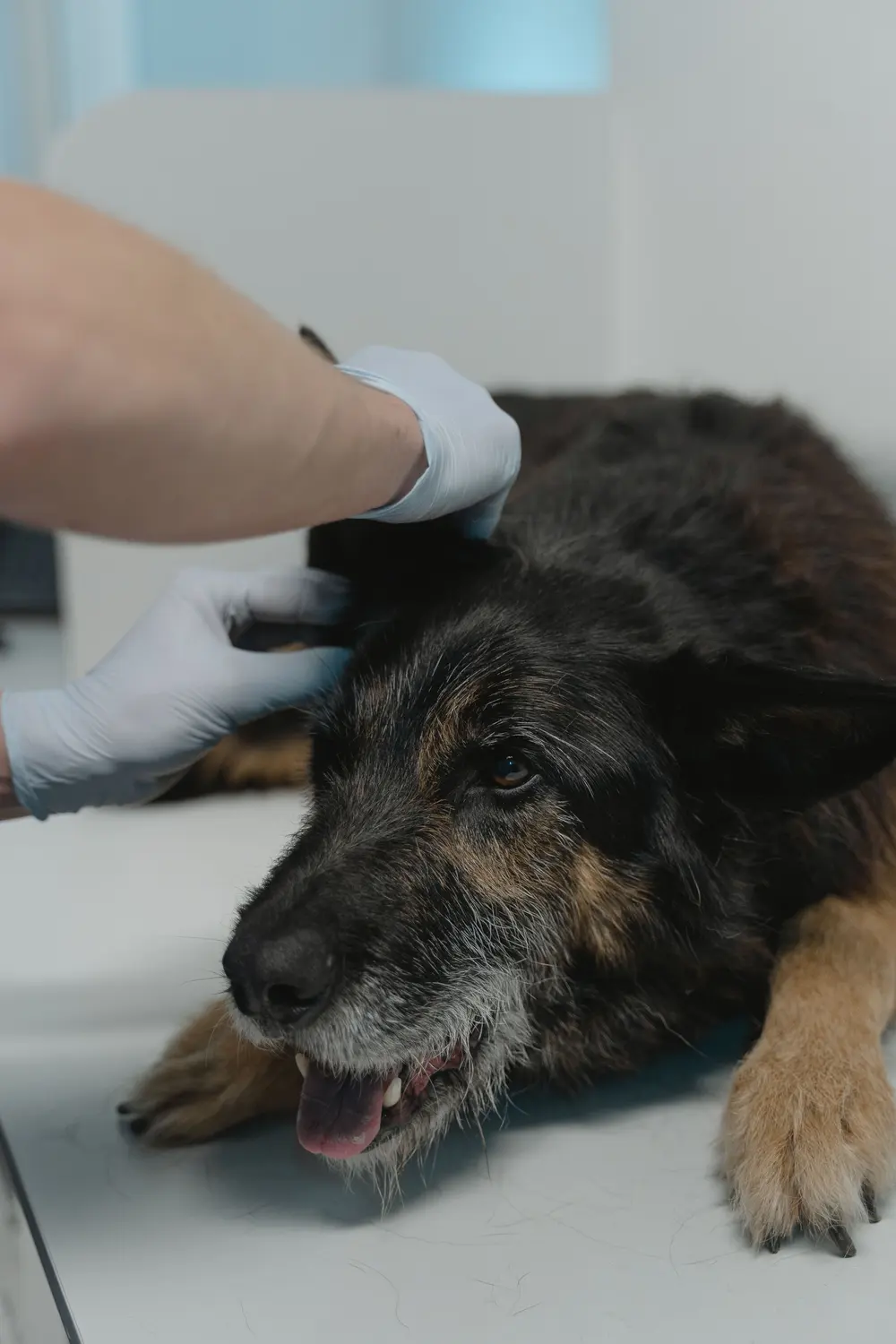 Stock photo
- On the South Hill since 2011
- Three veterinarians, DVM
- 4.4 on Google from 126 reviews
- Open Saturday mornings
A pet wellness exam at Glenrose is a full checkup for your dog or cat, once a year for most adults, at our South Hill practice in Spokane. The doctor goes over your pet from nose to tail, brings vaccines up to date where they are needed, and leaves room for the questions you came in with. Most people have at least one thing they have been meaning to ask. Ask it.
What happens at a checkup
The doctor looks, listens and feels, in roughly this order:
- Weight and body condition. Slow weight gain is easy to miss at home and easy to spot on a scale.
- Eyes, ears, skin and coat. Ear infections and skin problems are some of the most common reasons pets get uncomfortable.
- Mouth and teeth. We look in the mouth at every visit. Animals hide mouth pain, and the owner rarely sees it. More on that on our dental cleaning page.
- Heart and lungs. A murmur or an irregular rhythm can show up at a routine visit long before you would notice anything.
- Belly, joints and lymph nodes. Lumps, stiffness and tenderness get checked by hand.
Then we talk about what we found, what we would do first, and what can wait.
Vaccines for dogs and cats
Vaccines are the part of the visit people expect, and they are not one size fits all. Rabies is required by Washington law for dogs and cats. The other core vaccines protect against diseases that are common, serious or both. Some vaccines only make sense for some pets: a dog that boards, hikes the bluff trails or goes to daycare has different risks than a cat who never leaves the house.
We recommend what fits how your pet actually lives, and we tell you why. If your pet is new to us, bring its vaccine history so nothing gets repeated early. The AVMA has a plain guide to how pet vaccines work if you want to read ahead. The CDC explains why rabies vaccination matters for pets and people.
We won't turn it into a sales pitch
A vaccine visit is not a chance to sell you a plan, a food and a supplement in one go. We tell you what we found, what we would do first, and then you decide. If we recommend more than the exam, you get a written estimate before we start.
Checkups for cats who hate the vet
Some cats stop going to the vet because the last visit was a fight. Dr. Whitcomb has a special interest in exactly those cats. She has done most of an exam with a cat sitting in the bottom half of its carrier, keeping its own towel. It takes longer. That's fine.
A few things help before you come:
- Leave the carrier out at home for a few days so it stops meaning "vet."
- Bring a towel or blanket that smells like home.
- Tell the front desk when you book that your cat is anxious.
Older pets and new puppies or kittens
Older dogs and cats often do better with a checkup every six months, because things change faster. New puppies and kittens need a series of visits for their first vaccines; see puppy and kitten care. Year-round parasite protection is covered on our flea, tick and heartworm page.
New to Glenrose? Read how a first visit works before you book.
Checkups and vaccines: questions people ask
How often does my dog or cat need a wellness exam?
Most adult dogs and cats should have a checkup once a year. Puppies, kittens and older pets often need to come in more often, and the doctor will tell you what makes sense for yours and why.
Which vaccines does my pet need?
It depends on your pet's age, health and lifestyle. Rabies is required by Washington law for dogs and cats. Beyond the core vaccines, we only recommend what fits how your pet actually lives, and we explain each one.
How much does a wellness exam cost?
We don't publish a price list, because two checkups can turn out to be very different visits. You get a written estimate before we do anything beyond the exam, and we'll talk through what can wait.
My cat panics at the vet. Can you help?
Yes. Dr. Whitcomb has a special interest in cats who hate the vet. We can do much of an exam with your cat sitting in the bottom half of its carrier, on its own towel. It takes longer, and that's fine.
Related care at Glenrose
- Dental cleaningsA full cleaning under anesthesia, a tooth-by-tooth check, and extractions when a tooth is causing pain. Most of it done by Dr. Marsh.
- Flea, tick and heartworm prevention, and pharmacyParasite prevention matched to how your pet lives in Spokane, the South Hill bluff trails included, and the medications your pet needs from our in-house pharmacy.
- Puppy and kitten care, and microchippingThe first-year visits for a new puppy or kitten: vaccines, deworming, a microchip, and the questions every new owner has. Usually with Dr. Whitcomb.
Bring your questions. All of them.
Request a checkup